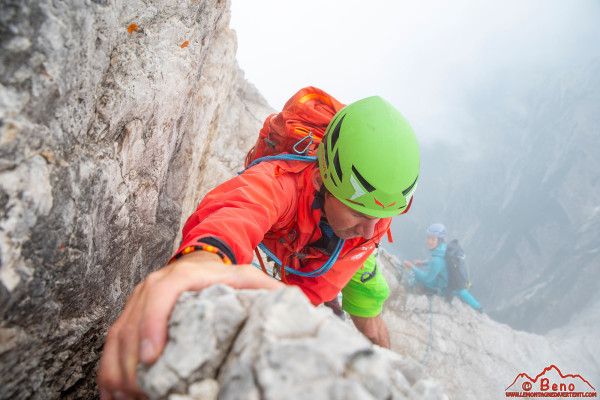
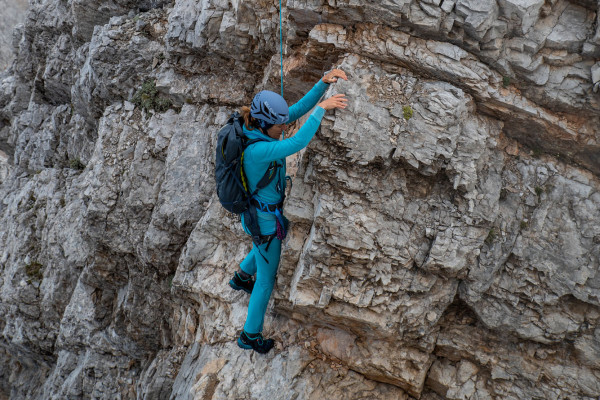
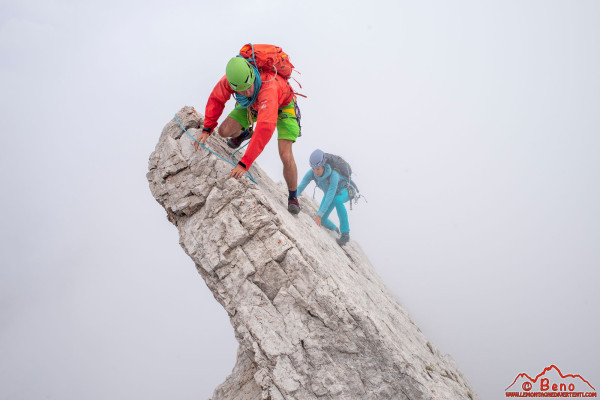
The normal routes in the Dolomites offer a classic mountaineering experience on accessible itineraries, combining hiking, equipped sections, and easy climbing. Ideal for learning technique and safety, they allow climbers to reach iconic summits with spectacular views and controlled exposure.
- Accessible mountaineering also suitable for beginners
- Safety ensured during mountaineering
- Experience authentic classic mountaineering
| Included | Expert alpine guide |
|---|---|
| Not included | Food, drinks, any lift facilities, transportation, and everything not expressly mentioned. |
| Duration | 0 Hour |
| Bring along | Backpack with packed lunch and drinks, suitable high-altitude clothing, gloves, hat, and sunglasses. If available, a harness with lanyard and carabiners, and a descender. Rental available from us. |
| Participants | 2 people per mountain guide |
| Important information | Mountaineering involves objective risks inherent to the activity itself. Going into the mountains with a mountain guide significantly reduces the risk, but does not eliminate it completely. |
Further information
This activity offers the experience of classic mountaineering, following the normal routes of the main Dolomite peaks. These itineraries trace the most direct and accessible paths to the summit, combining hiking on rock, equipped sections, and short sections of easy climbing. Normal routes are ideal for those who want to approach mountaineering safely, developing rock technique, rope management, and terrain reading skills, without giving up the thrill of reaching iconic summits.Each route allows you to enjoy breathtaking views, controlled exposure, and the satisfaction of reaching the summit via historical and natural lines. The classic routes of the Dolomites represent the ideal introduction to rock mountaineering, combining exposure, spectacular panoramas, and moderate climbing difficulty. Routes on iconic peaks such as the normal routes of Sass de Mura, Cimon della Pala, Sass de l’Ortiga, the Tre Cime di Lavaredo (Great Peak), and Monte Civetta, for example, generally involve difficulties of UIAA grade 2 to 3.These itineraries feature sections of walking on rock, slabs, and simple cracks, with only short passages of continuous climbing, making them suitable for beginner or intermediate alpinists. The routes usually involve limited elevation gain, but require good endurance, confidence with exposure, and sure-footed movement.Beyond technique, these ascents offer the opportunity to experience the vertical world of the Dolomites, developing coordination, wall reading skills, and confidence with mountaineering equipment, all within unique high-mountain landscapes, guided by an experienced UIAGM mountain guide.
